

Physical Therapy for Runners: Stay Injury-Free and Run Stronger
Running is one of the simplest and most effective ways to stay active, but it also puts repetitive stress on your body. Whether you're training for a race, getting back into a routine, or just enjoying the trails around the Flathead Valley, physical therapy can help you prevent injuries and keep you moving.
At Glacier Peaks Physical Therapy, we work with runners of all levels across Columbia Falls, Whitefish, Kalispell, and Bigfork. From road runners to trail enthusiasts, our goal is to help you run stronger, longer, and with less pain.
The Most Common Running Injuries (And How PT Helps)
Running injuries are often caused by overuse, muscle imbalances, or training errors. We typically see that injuries happen when the training load exceeds what our body has trained for. The good news is that most of these injuries respond very well to physical therapy.

Runner’s Knee (Patellofemoral Pain Syndrome)
Runner’s knee is one of the most common issues we see. It typically presents as pain around or behind the kneecap, especially when running downhill, squatting, or going up and down stairs.
Physical therapy focuses on strengthening the hips and quads, improving tracking of the kneecap, and correcting movement patterns.
Shin Splints
Shin splints or medial tibial stress syndrome presents with pain along the front or inside of the lower leg and are common when increasing mileage too quickly.
PT helps by addressing calf tightness, improving foot and ankle strength, and adjusting training habits to allow for proper recovery.
IT Band Syndrome
Pain on the outside of the knee is often related to IT band irritation. This is especially common in runners who increase mileage or run on uneven surfaces.
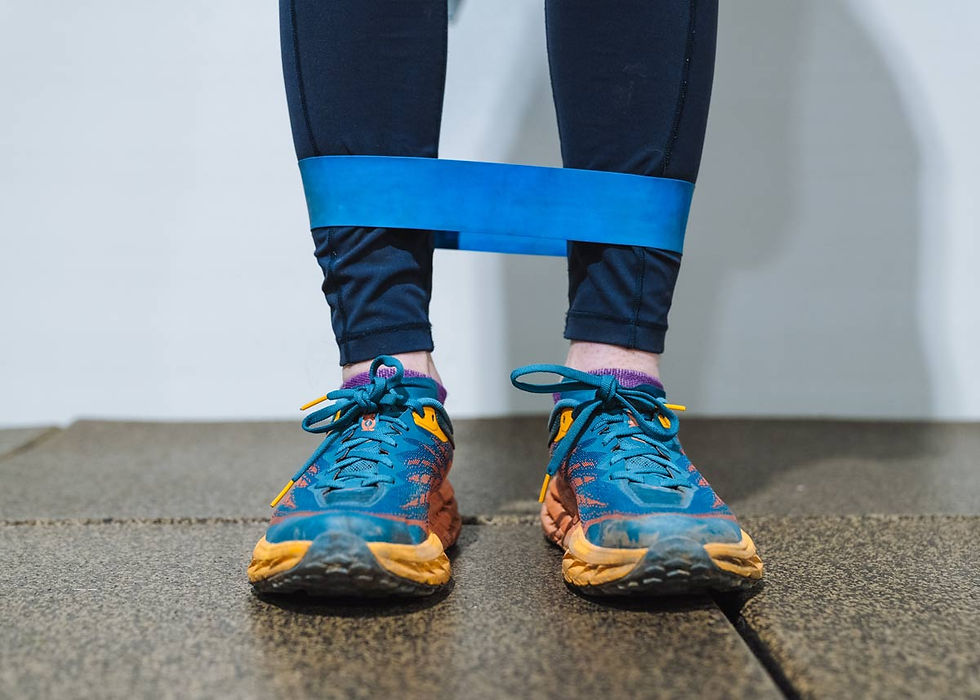
Treatment includes strengthening the hips and glutes, improving flexibility, and correcting running mechanics.
Achilles Tendonopathy
Achilles pain shows up as stiffness or soreness in the back of the heel, especially in the morning or after runs.
Physical therapy focuses on progressive loading exercises, calf strengthening, and improving ankle mobility.
Plantar Fasciitis
This condition causes heel and or foot pain, often worst with the first steps in the morning. It can be stubborn, but responds well to the right combination of treatment.
PT includes foot strengthening, mobility work, and guidance on footwear and activity modification.

How Physical Therapy Helps Runners
Physical therapy is not just about treating injuries, it is also about improving performance and preventing future problems.
Identify and Correct Imbalances
Many running injuries stem from weakness or imbalance in the hips, core, or lower legs. A physical therapist can identify these issues and build a plan to correct them.
Improve Running Mechanics
Small changes in form can make a big difference. Our physical therapists are trained to assess running gait mechanics and gait re-training drills. Running assessment and gait re-training can help you improve stride, cadence, and overall efficiency to reduce stress on your body.
Build Strength for Long-Term Performance
Strength training is essential for runners. A well-designed program helps you run more efficiently and reduces injury risk over time!
Manual Therapy and Dry Needling
Hands-on treatment can make a big difference for runners dealing with tightness, pain, or restricted movement. Manual therapy techniques like soft tissue work, joint mobilization, and myofascial release help reduce muscle tension, improve mobility, and get tissues moving the way they should.
Dry needling is another tool we use to target tight or irritated muscles. By placing a thin needle into specific trigger points, it helps release tension, improve blood flow, reduce inflammation and calm down overactive muscles. Many runners notice improved range of motion and decreased soreness after treatment.
These approaches are especially helpful for common running issues like tight calves, IT band irritation, hip stiffness, and lingering muscle soreness. When combined with strength and movement work, they can help you feel better faster and get back to running with more comfort and efficiency.

Injury Prevention Tips for Runners
A little preparation can go a long way in keeping you healthy throughout your training.
Do Not Increase Mileage Too Quickly
A common guideline is the 10 percent rule, increasing mileage gradually helps your body adapt and reduces injury risk.
Strength Train Regularly
Focus on glutes, hips, core, and calves. Strength supports proper alignment and reduces strain on joints.
Prioritize Recovery
Rest days are just as important as training days. Sleep, hydration, and proper nutrition all play a role in recovery.
Listen to Your Body
Pain is not something to push through. Addressing small issues early can prevent bigger setbacks later.

Training for Races in the Flathead Valley
Running in Northwest Montana comes with its own unique challenges and benefits.
Trail Running Around Whitefish and Columbia Falls
Trail running offers incredible scenery, but also uneven terrain. Balance, ankle stability, and strength are key to staying injury-free.
Seasonal Considerations
From icy spring mornings to hot summer afternoons, conditions can change quickly. Adjust your training, footwear, and expectations based on the season.
Altitude and Terrain
Rolling hills and elevation changes throughout the Flathead Valley require strong legs and good endurance. Incorporating hill training can help prepare your body.

When to See a Physical Therapist
If you are dealing with pain that is not improving, it is a good idea to get it checked out.
You may benefit from PT if you:
Have pain that lasts more than a few days or does not get better with rest
Notice changes in your running form
Feel limited in your training or performance
Are recovering from a previous injury or surgery
Training for a new race and want to prevent injury
Early intervention can help you stay on track and avoid longer downtime.
What We Offer Runners
At Glacier Peaks Physical Therapy, we provide personalized care designed around your goals.
One-on-one sessions with a Doctor of Physical Therapy
Running-specific injury evaluation and treatment
Running gait assessment and gait re-training
Strength and mobility programs tailored to runners
Dry needling for muscle tightness and pain
Guidance on return-to-running after injury
We take the time to understand how you move so we can help you get back to doing what you love.

Get Back to Running Pain-Free
Whether you are training for your next race or just want to enjoy a pain-free run, we are here to help.
Glacier Peaks Physical Therapy in Columbia Falls proudly serves runners from Whitefish, Kalispell, Bigfork, and across the Flathead Valley. Call us at (406) 426-1560 or reach out to schedule a free consultation.
Let’s get you back out there, feeling strong, confident, and ready for your next mile.
